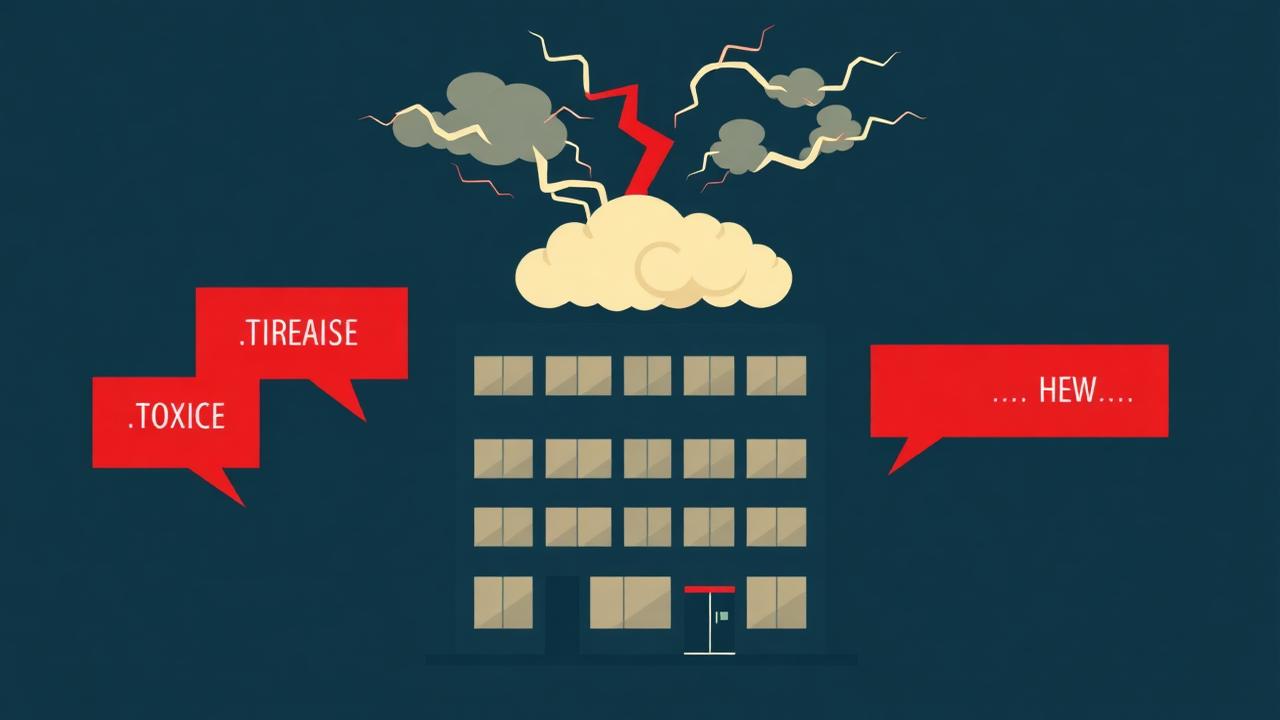
Difficult versus genuinely toxic — the difference matters
| Difficult (common, often survivable) | Toxic (worth taking seriously) |
|---|---|
| Heavy workload during a genuinely busy period | Chronic understaffing treated as permanent normal |
| A manager with a blunt or direct communication style | A manager who regularly humiliates or belittles staff publicly |
| Occasional disagreement or friction with a colleague | Persistent harassment, bullying, or discrimination |
| Feedback that stings but is fair and specific | Feedback that's vague, personal, or used to undermine rather than help |
Questions to honestly assess your own situation
- 1Is this a temporary, project-specific stretch, or a consistent pattern over months?
- 2Am I the only one experiencing this, or do colleagues describe similar issues?
- 3Is the behavior about my work quality, or does it feel personal and disproportionate?
- 4Is there a legitimate internal channel (HR, skip-level) I haven't tried yet?
Practical steps for genuinely toxic situations
Practical steps for genuinely toxic situations
- Document specific incidents with dates, what was said or done, and any witnesses — memory fades, and records matter if it escalates
- Understand your company's formal HR process and your rights under local employment law
- Raise it through the appropriate channel calmly and factually, focused on specific incidents, not general frustration
- Build support outside the immediate situation — a mentor, trusted colleague, or professional network
- Start quietly exploring external options if the situation doesn't improve after raising it through proper channels
Protect yourself first
If a situation involves harassment, discrimination, or anything that feels unsafe, prioritize your safety and wellbeing over career optics — that includes seeking support outside the company (legal advice, a trusted external mentor, or relevant authorities) if internal channels aren't adequately addressing it.
How to talk about it in future interviews, if you do leave
Keep the explanation factual and brief rather than detailed or emotional: "The team's priorities and my role's scope shifted in a direction that wasn't a good fit for me" works better in an interview setting than a lengthy account of specific grievances, even if the grievances were entirely legitimate.
If you're ready to start exploring other options, make sure your resume is current and ready to go.
Build Your ResumeProtecting your wellbeing while the situation resolves
- Keep clear boundaries around work hours where possible, even if the culture pushes against it
- Maintain relationships and interests outside of work deliberately
- Talk to people you trust about what you're experiencing, rather than carrying it alone
- Consider professional support if the stress is significantly affecting your daily life