Four factors worth weighing together
| Factor | Question to ask yourself |
|---|---|
| Interest | Would I still want to learn about this even outside of work? |
| Strength | What do I pick up faster or do better than most people around me? |
| Market reality | Is there genuine, sustainable demand for this path? |
| Lifestyle fit | Does the day-to-day (hours, travel, environment) match how I want to live? |
A career that scores well on interest and strength but poorly on market reality can still work, but usually needs a more deliberate, patient plan. A career that scores well on market reality alone but poorly on interest tends to be harder to sustain long-term, even if it starts well.
Interest is more useful than "passion"
"Follow your passion" assumes you already know what that is, which many people simply don't at the start of their career. "What am I curious enough about to keep learning without being forced to" is a more workable question, and passion often develops after competence, not before it.
Testing a path before fully committing
Testing a path before fully committing
- Talk to two or three people actually working in the field about their real day-to-day
- Take on a small project, internship, or freelance task in that domain
- Try a short course to gauge genuine interest versus surface-level appeal
- Shadow someone for a day if you can arrange it
Remember: it's rarely a permanent decision
Most people change roles, industries or entire career directions at least once, often more, over a working lifetime. Treating your first serious choice as a permanent, irreversible fork tends to create more anxiety than the decision actually warrants.
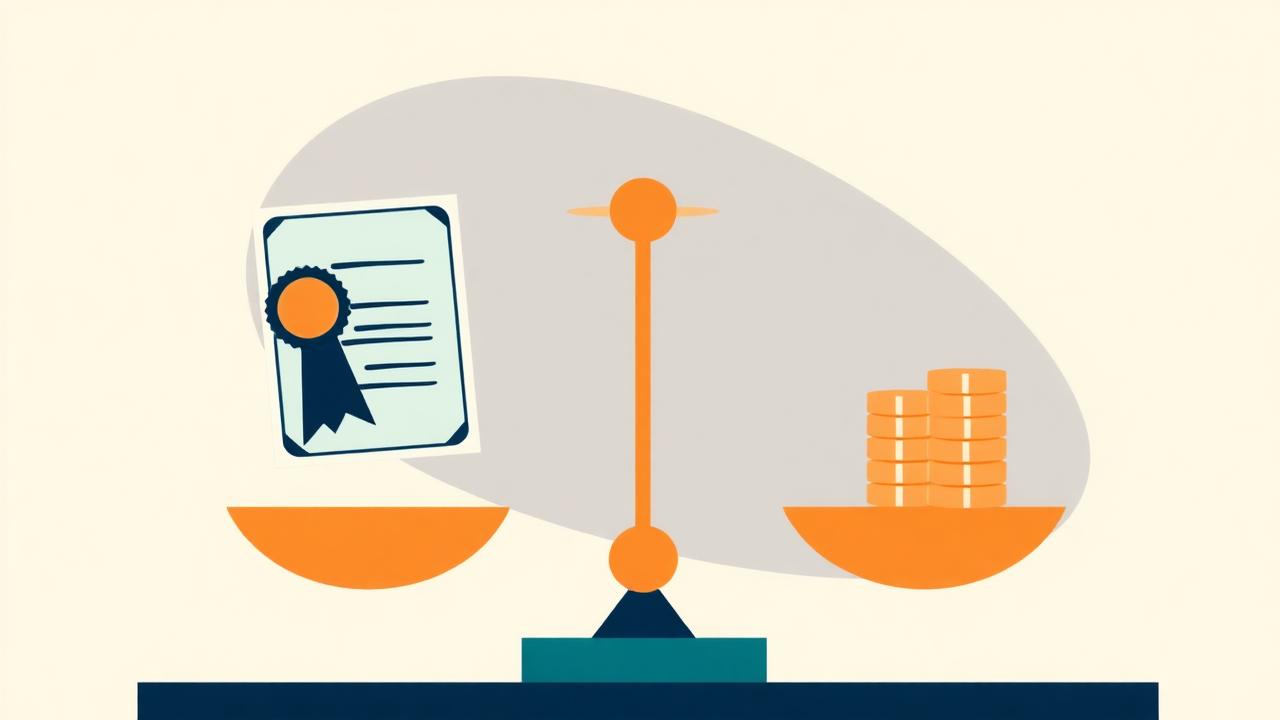
When you're stuck between two roughly equal options
- 1List the specific trade-offs of each honestly, not just the appeal
- 2Consider which one is easier to pivot away from later if it doesn't work out
- 3Ask which choice you'd regret not trying more, five years from now
- 4Set a decision deadline for yourself — indefinite deliberation is itself a cost
Once you've picked a direction, make sure your resume reflects it clearly.
Build Your Resume